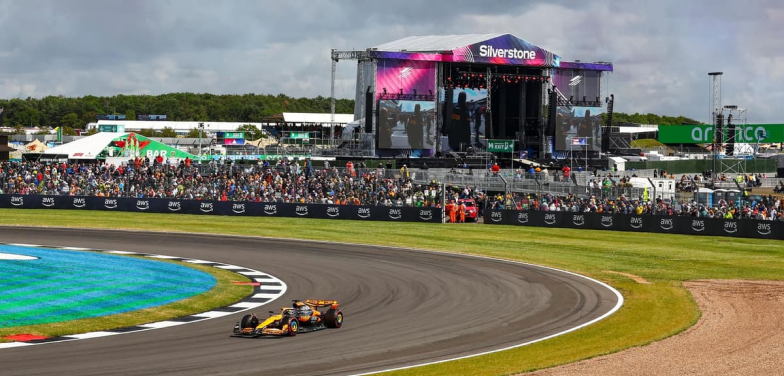
More than seven decades of championship history is compressed into this weekend — into the flat Northamptonshire farmland that was an RAF wartime airfield before it became the home of British racing. The corners that define what fast means: Copse, approached at a speed that has to be seen to be believed. The Maggotts–Becketts–Chapel complex, one of the great sequences of corners in Formula 1. Stowe, where the bravest drivers have always gone deepest. These are not just circuit features — they are landmarks in the history of the sport.
For travellers drawn to Formula 1’s heritage, Silverstone carries a particular significance. Its appeal is not primarily glamour or a city skyline: it is the circuit, the crowd, and the connection to the World Championship’s beginnings.
This page helps you understand the choices that shape a Silverstone weekend: race access, accommodation base, circuit transport, and how much time to allow for England beyond the race.
The next British Grand Prix takes place at Silverstone from 2–4 July 2027 and includes a Sprint weekend, with Sprint Qualifying on Friday and the Sprint and Grand Prix qualifying on Saturday. Check the final official timetable before arranging circuit days, transfers and dining.
Every Formula 1 race has a circuit. Silverstone has a founding document.
Silverstone hosted the first Formula 1 World Championship race on 13 May 1950, won by Giuseppe Farina in an Alfa Romeo, attended by King George VI and Queen Elizabeth. The sport that has grown into a global media phenomenon with hundreds of millions of followers began on a converted RAF airfield in the English Midlands. That is not a marketing claim — it is a historical fact, and standing at Silverstone knowing it gives the weekend a dimension that no amount of production budget can replicate.
Silverstone combines fast, flowing corners with slower technical sections and heavy-braking opportunities. Copse, Maggotts–Becketts–Chapel, Stowe, and the final sector give spectators distinctly different views of the cars and the racing.
Silverstone is known for a knowledgeable, passionate crowd. The British racing public understands the sport at a depth that reflects decades of proximity — the manufacturers, the engineering companies, the racing schools, and the motorsport heritage that makes Britain the centre of the Formula 1 technical world. When Lewis Hamilton won at Silverstone — or when a British driver challenges for the podium — the sound from the grandstands is like little else in Formula 1. It is the sound of a crowd that has been waiting for this specific moment and knows exactly what it means.
Silverstone is the closest thing Formula 1 has to a festival.
The British GP is not Monaco’s curated social occasion or Singapore’s produced spectacle. It is three days on a former RAF airfield in the English countryside, with huge crowds united by a genuine passion for the sport. The Union Jacks, camping fields, pub tents, food vendors, merchandise stalls, and engineering displays are the texture of the British GP.
The scale of the crowd, depth of engagement, and English summer festival energy create a race weekend unlike almost any other on the calendar.
For the luxury traveller, the festival atmosphere does not diminish the premium experience — it gives it context. Premium hospitality, helicopter transfers and country-house hotels can sit alongside that popular energy without replacing it.
Silverstone suits three kinds of traveller.
It is the right race for the F1 heritage enthusiast — the traveller for whom being at the circuit where the World Championship began carries genuine meaning, who has watched Silverstone races for decades and wants to experience the grandstands, the sound, and the atmosphere from inside rather than through a screen. For this traveller, no amount of Monaco glamour or Las Vegas spectacle substitutes for the British GP. This is the one.
It is right for the international visitor who wants to combine the race with time in England. London provides an international arrival and city-extension option, while accommodation nearer Silverstone can reduce daily travel.
It is right for the traveller who wants a race that rewards the surrounding country. Oxfordshire and the Cotswolds offer country-house hotels, village visits and countryside dining, while Oxford and Blenheim Palace can form part of a wider trip. Compare exact locations and journey times before booking, and allow for race-weekend traffic. These experiences are often easier to enjoy before or after the core circuit days.
Race-weekend access requires deliberate planning. Compare official coaches, station shuttles, parking, private transfers, and helicopter services against your accommodation and ticket location. A Monday departure can reduce the pressure of leaving immediately after the race.

Premium Pit-Lane Access & Views
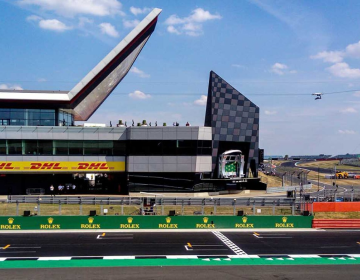
Flagship British GP Hospitality
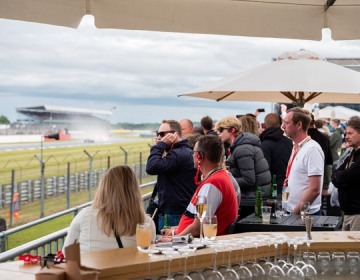
Premium Views & Quality Catering
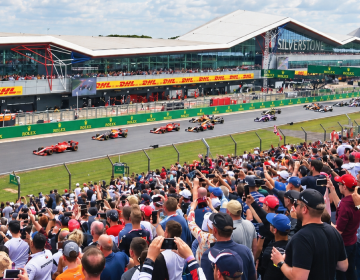
Exceptional Views & Racing Action
We may earn a commission if you book through some links on this page, at no extra cost to you.

Trackside accommodation with race-weekend immersion. Confirm event availability, room views, and any ticket or access inclusions separately.

Oxfordshire countryside accommodation with dining and leisure facilities. Check membership requirements, race-weekend availability, and the circuit-transfer plan before booking.
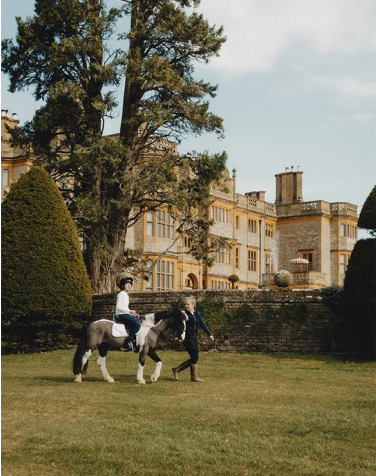
Oxfordshire country-house accommodation with dining and spa facilities; plan the circuit journey carefully.
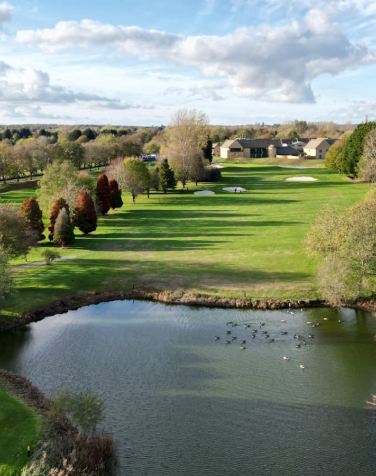
A hotel base with golf and spa facilities; compare its location and transfer arrangements against your race-weekend priorities.

For those who want to be based in a specific Cotswolds town rather than a rural hotel, The Bear of Woodstock — in Woodstock
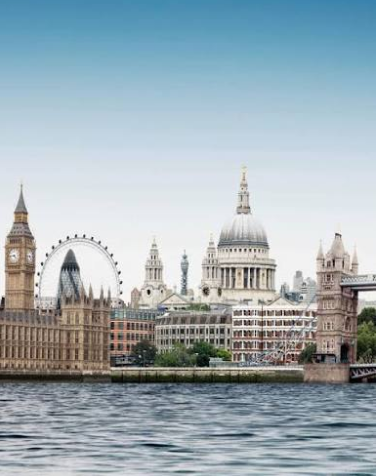
For those combining Silverstone with a longer London visit, a London base is viable and for certain travellers — particularly those attending only race day
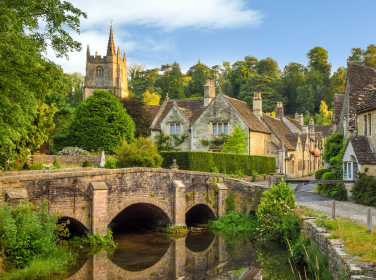
Silverstone's rural location makes accommodation and transport a combined decision. There is no railway station at the circuit, so compare official coach services, rail connections with onward shuttles, parking, private transfers, and helicopter options before booking.
A premium transfer option that can reduce exposure to road traffic. Confirm departure point, landing arrangements, weather contingencies, and onward hotel transport.
Pre-book the appropriate parking or park-and-ride option and follow the event's designated routes. Allow extra time for arrival and departure.
Travel by rail to a station served by the event's official transport arrangements, then use the appropriate shuttle to Silverstone. From London, Milton Keynes connections depart from Euston. Confirm train times, shuttle bookings, operating hours, and return arrangements before travelling.
Heathrow is the main long-haul gateway, while Birmingham offers European connections. Compare the onward journey to your hotel before booking flights.

Explore beautiful limestone villages, historic market towns, and picturesque English countryside.
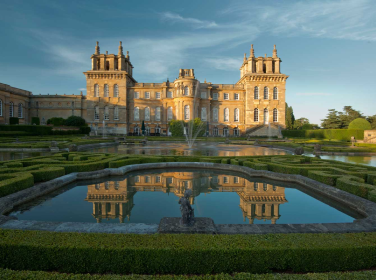
Discover magnificent English Baroque architecture, historic state rooms, and beautiful gardens.
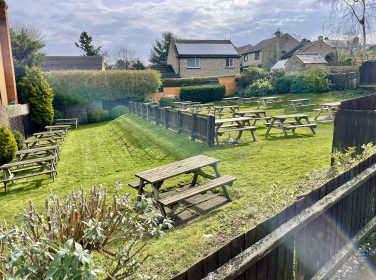
Enjoy warm summer evenings, traditional pub gardens, and authentic English atmosphere.

Explore historic university colleges, medieval architecture, museums, and vibrant riverside pubs.
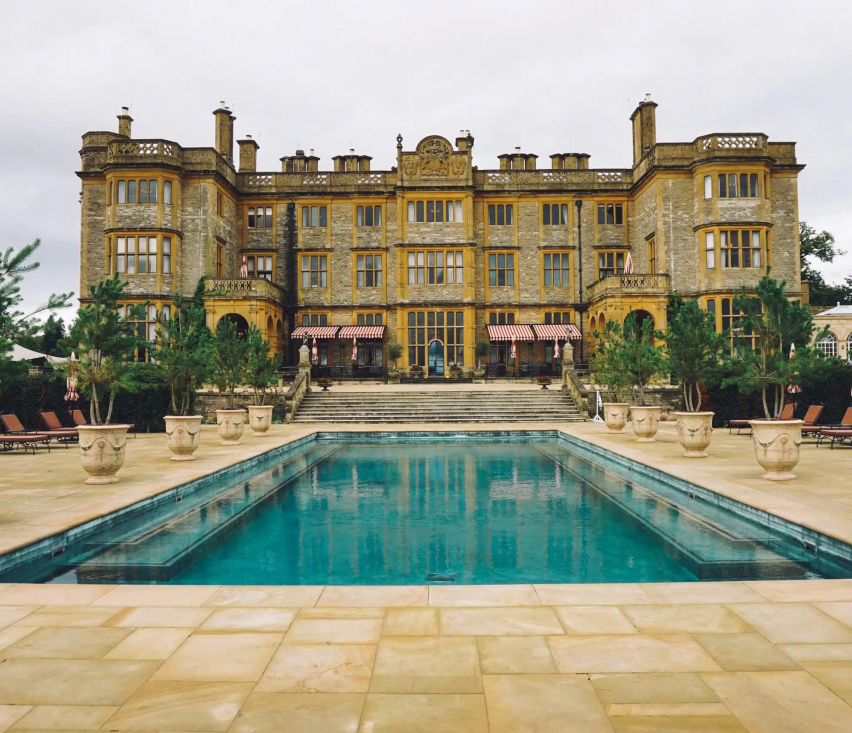
July is generally warm but unpredictable, with sunshine and heavy rain possible. Pack layers, waterproof footwear, and a proper waterproof jacket. Limited covered areas make preparation especially important.
Expect large, knowledgeable crowds and busy access routes around major sessions. The atmosphere becomes exceptional when British drivers challenge for qualifying or podium positions. It is one of Silverstone’s most memorable experiences.
Silverstone offers a wide range of food and drink options, although queues can be significant. Plan circuit meals around sessions and save countryside dining for before or after your circuit day.
Silverstone is a large site, with considerable distances between gates, parking, and grandstands. Allow extra time to move around the circuit comfortably. Circuit maps and event staff can help with directions.
Silverstone rewards early planning because race access, preferred hotels and transfers compete for limited race-weekend availability. Use the following timeline as a planning framework, and book when dates, packages and reservation windows are confirmed.
Compare hospitality and grandstand options when tickets and packages are released. Choose your viewing priorities and accommodation base together, then book your preferred access when available.
Compare accommodation bases and reserve your preferred hotel when race-weekend availability opens. Check cancellation terms, any minimum-stay requirements, and the journey to your circuit entrance before booking.
If a helicopter transfer is part of your plan, book it before race-weekend slots sell out. Pre-book parking, park-and-ride, or official coach and shuttle tickets when they go on sale.
Reserve sought-after restaurants and hotel dining, and book any Blenheim Palace, Oxford or Cotswolds experiences.
Pack layers, waterproof clothing, and comfortable footwear for unpredictable English weather. Finalise daily schedules around race sessions and countryside activities. Check the final official timetable, circuit map, and your transport bookings.
Silverstone is particularly compelling for travellers who value Formula 1’s heritage, fast corners, a passionate crowd, and a festival-style race weekend.
The main trade-offs are its rural location, substantial walking, changeable weather, and busy access routes. A well-chosen accommodation base and transport plan matter as much as the ticket.
Add time in London, Oxfordshire, or the Cotswolds before or after the race if you want a broader UK trip. Premium hospitality and helicopter transfers are options — not prerequisites for a memorable British Grand Prix.
This page explains the main choices. The Silverstone GP Planning Guide brings them into an execution plan: comparing accommodation bases and race access, prioritising bookings, organising circuit transport, and structuring race days alongside time beyond the circuit.
Popular