
Is the British Grand Prix Worth It? The Heritage Case
For anyone for whom the history of Formula 1 carries genuine weight, the British Grand Prix at Silverstone has a strong claim to be the race to attend. The World Championship began here, and the circuit still delivers some of the sport’s great corners.
But the heritage case alone is not a complete answer. This page explains what Silverstone delivers, what it does not deliver relative to Monaco, and who should prioritise it over more glamorous alternatives.
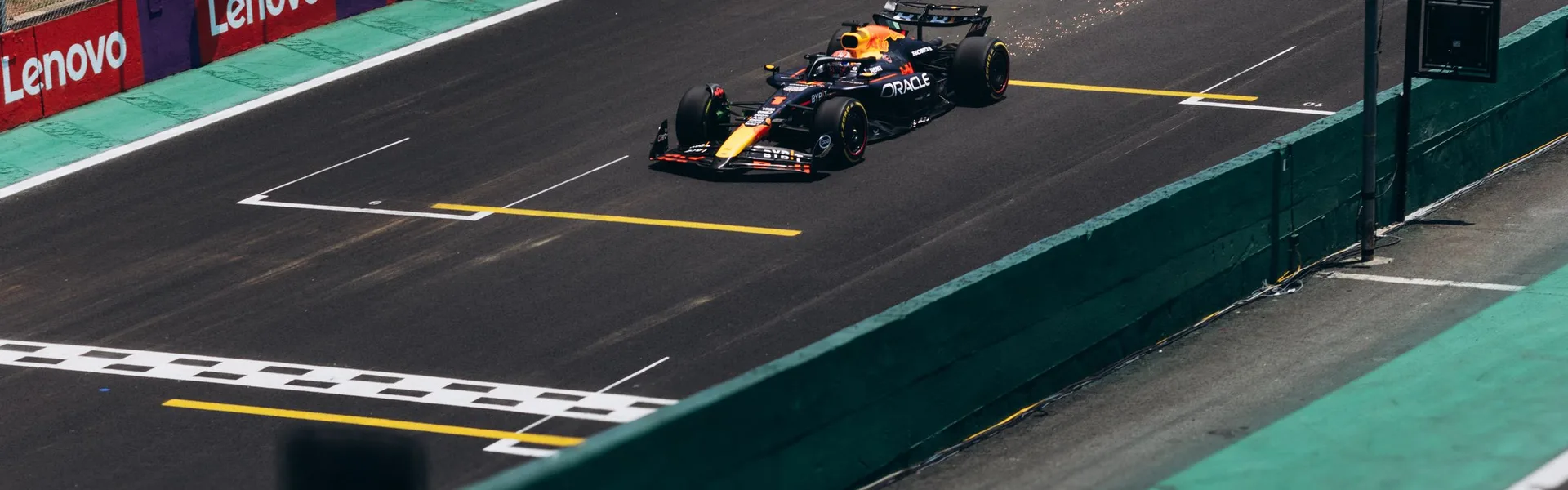
The World Championship began at Silverstone on 13 May 1950. The first Formula 1 World Championship race was held on this site, in front of a crowd that included King George VI and Queen Elizabeth. Every World Champion since has raced in a championship that started here.
That fact does not make Silverstone automatically more exciting to watch than other races. What it does is give the experience a dimension that glamour cannot manufacture: being at the circuit where the World Championship began, watching cars on a site that has hosted the championship since its first season.
Maggotts, Becketts and Chapel form one of the great sequences of corners in motor racing — a high-speed series of direction changes taken at a pace that is hard to comprehend from the side of the track. The grandstands at Becketts, Chapel and Maggotts put you close to it. Check the official seating map for exact sightlines.
The British Grand Prix crowd is knowledgeable and engaged. Britain’s motorsport culture runs deep — many Formula 1 teams are based in the UK — and the crowd responds to what happens on track with real understanding.
The Cotswolds, Blenheim Palace and Oxford are all within reach of Silverstone, and the English country pub in July is one of the great pleasures of the weekend. Combining a historic circuit with this landscape gives the trip a dimension beyond the race itself. Allow realistic travel times for your hotel and route.
Silverstone’s rural location means very large crowds arrive and depart via a limited road network. Race-day traffic is the most discussed frustration of the British GP, and it is real. Planning helps: travel early, use the official rail and shuttle option, or consider a helicopter transfer and a Monday departure.
English summer weather operates on its own terms. July at Silverstone can be warm and sunny or cold, grey and wet within the same afternoon. Pack for both.
Silverstone is a former RAF airfield on the Northamptonshire–Buckinghamshire border. It is not Monaco’s harbour or the Las Vegas Strip. The appeal of the British GP is the crowd, the history and the circuit — not the setting. For travellers motivated by social scene, a country-house hotel and premium hospitality do a lot of work, but Silverstone is fundamentally a racing event.

Indicative ranges per person in British pounds, based on two people sharing. Prices vary by year, supplier and booking date — confirm current pricing before booking.
| Item | Mid-Range (GBP) | Full Luxury (GBP) |
|---|---|---|
| Hospitality | Club Wing and Circuit Hospitality £800–1,500 | Paddock Club £4,000–7,000 |
| Hotel (3–4 nights) | Good area hotel £800–1,500 | Soho Farmhouse/Estelle Manor £2,500–5,000 |
| Flights (international) | Economy £800–1,500 | Business £3,000–8,000 |
| Helicopter transfer | Optional | £800–1,200 return |
| Transfers | £300–500 | £600–1,000 (private transfers) |
| Food and dining | £400–700 | £1,200–2,500 |
| Experiences | £100–200 | £300–600 (Blenheim etc.) |
| Total estimate | GBP £3,200–5,900 | GBP £12,400–25,300 |
Verdict: Essential for the F1 heritage enthusiast. The history, the crowd, the corners and the English countryside combine into one of the most rewarding weekends on the calendar.
Popular